Quiet Luxury vs Fast Fashion: Which Trend Is Winning in 2026?
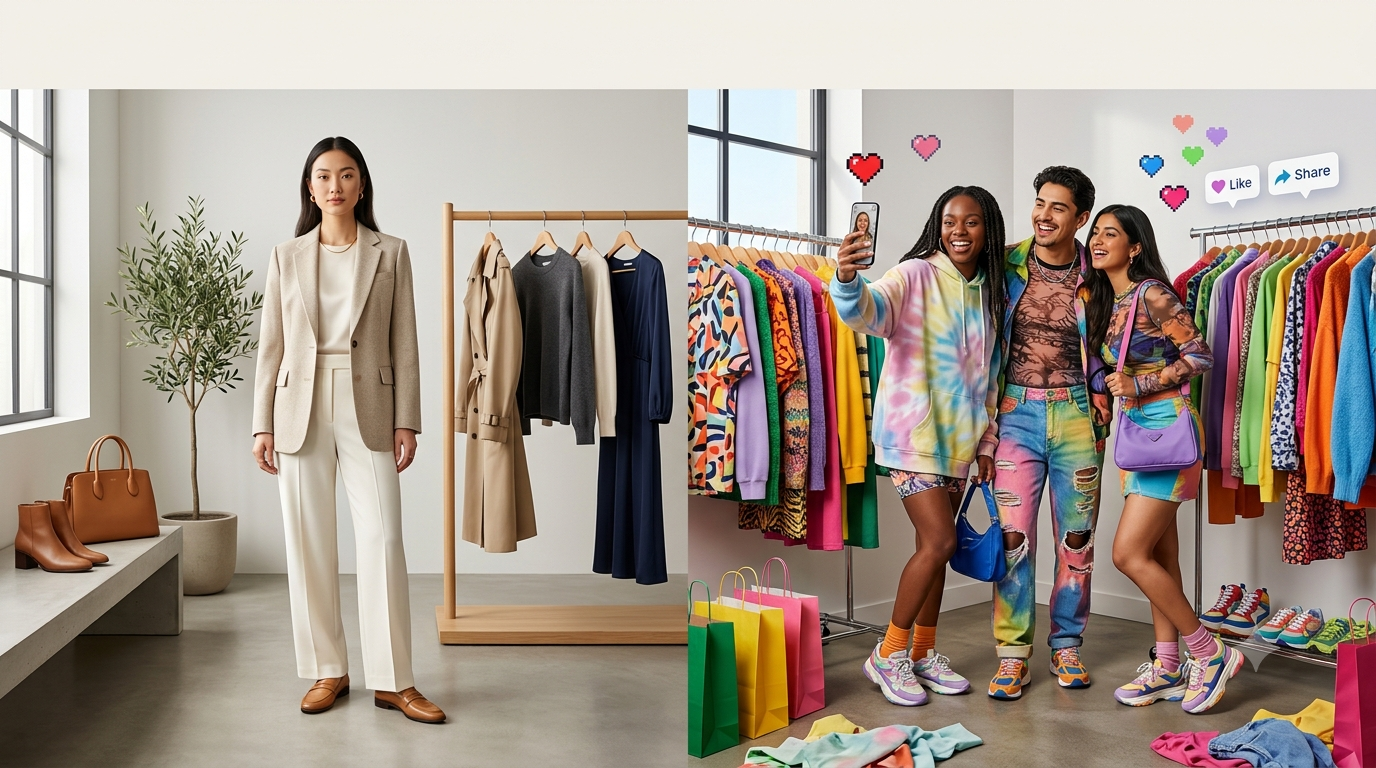
Fashion in 2026 is witnessing one of the biggest cultural shifts in recent years. For a long time, fast fashion controlled the industry by making the latest trends affordable, accessible, and instantly available. A style seen on a runway, celebrity, or social media influencer could quickly appear in stores at budget-friendly prices.
However, a new fashion philosophy has been steadily gaining popularity. Quiet luxury, focused on timeless designs, premium fabrics, subtle elegance, and thoughtful purchases, has become one of the biggest fashion movements of 2026.
This has created an interesting debate among fashion lovers: Is quiet luxury replacing fast fashion, or are both trends shaping the future of clothing together?
The answer lies somewhere in between. Fast fashion continues to attract millions of shoppers because of affordability, variety, and trend accessibility. At the same time, quiet luxury represents a growing shift toward mindful consumption, where people prefer investing in fewer but better-quality pieces.
In 2026, fashion is no longer only about wearing the newest trend. It is about personal style, sustainability, comfort, versatility, and making smarter wardrobe decisions.
From capsule wardrobes and sustainable clothing brands to AI-powered fashion recommendations and affordable premium collections, the industry is entering a new era where consumers want style without unnecessary waste.
What Is Quiet Luxury Fashion in 2026?
Quiet luxury is a fashion approach that focuses on understated elegance rather than visible status symbols. Instead of bold logos, excessive patterns, or short-lived trends, quiet luxury emphasizes craftsmanship, quality fabrics, perfect fits, and timeless silhouettes.
The movement gained global attention when celebrities, designers, and fashion influencers started embracing minimalist wardrobes featuring tailored coats, neutral-toned outfits, cashmere sweaters, structured handbags, classic footwear, and refined accessories.
Unlike traditional luxury fashion, quiet luxury does not depend on showing wealth through logos or expensive branding. The focus is on how a garment feels, fits, and lasts over time.
In 2026, quiet luxury has expanded beyond expensive designer labels. It has become a broader lifestyle choice based on intentional shopping and thoughtful styling.
Modern quiet luxury fashion is built around choosing versatile wardrobe pieces, investing in durable fabrics, creating capsule wardrobes, and selecting styles that remain relevant for years.
A well-tailored blazer, a premium cotton shirt, classic trousers, elegant footwear, and a timeless handbag can create a more luxurious appearance than an outfit dominated by visible branding.
This shift shows that many consumers are moving away from temporary fashion excitement and toward long-term style value.
Why Quiet Luxury Is Becoming One of the Biggest Fashion Trends in 2026
The popularity of quiet luxury is not only about aesthetics. It reflects changing consumer attitudes toward money, sustainability, and personal identity.
1. Consumers Are Choosing Quality Over Quantity
For years, fast fashion encouraged people to purchase more clothes because trends changed rapidly. Many shoppers bought inexpensive items frequently, only to replace them after a few wears.
In 2026, consumers are becoming more aware of the real cost of cheap clothing. A low-priced garment that loses shape quickly may not provide better value than a higher-quality piece designed to last for years.
People are paying more attention to fabric quality, stitching, comfort, durability, and versatility.
The new fashion mindset is simple: buy fewer pieces, but make every purchase count.
This approach has made quiet luxury attractive even among shoppers who are not interested in traditional luxury brands.
2. Capsule Wardrobes Are Changing the Way People Dress
The rise of capsule wardrobes has played a major role in the growth of quiet luxury.
A capsule wardrobe focuses on owning fewer clothing items that can be combined in multiple ways. Instead of filling closets with rarely worn outfits, consumers are building collections around essential pieces.
Classic shirts, neutral trousers, denim, structured jackets, simple dresses, comfortable shoes, and quality accessories form the foundation of this style.
The popularity of capsule wardrobes shows that people are looking for practical fashion solutions rather than endless shopping.
This trend also connects with busy modern lifestyles. A thoughtfully planned wardrobe makes everyday dressing easier while reducing unnecessary spending.
3. Sustainability Is Influencing Fashion Choices
Sustainability has become one of the most important factors shaping fashion in 2026.
Consumers are increasingly aware of problems associated with excessive production, textile waste, and disposable clothing culture. As a result, many shoppers are supporting brands that focus on ethical manufacturing, natural fabrics, recycled materials, and responsible production.
Quiet luxury naturally aligns with sustainable fashion because it encourages buying fewer, longer-lasting pieces.
Across India and globally, many fashion brands are combining traditional craftsmanship with modern designs, creating clothing that feels exclusive while supporting responsible practices.
What Is Fast Fashion in 2026?
Fast fashion refers to clothing produced quickly and sold at affordable prices by following current trends.
The model became popular because it allowed consumers to access runway-inspired styles without spending large amounts of money. Fast fashion brands use rapid production cycles to respond quickly to changing consumer preferences.
The biggest strengths of fast fashion are affordability, accessibility, and variety.
For younger consumers, students, and fashion enthusiasts, fast fashion provides an opportunity to experiment with different aesthetics without making expensive investments.
In 2026, fast fashion continues to remain influential because it offers trendy designs, affordable pricing, and quick access to viral styles.
However, the industry is also facing growing pressure to improve sustainability, quality, and ethical production practices.
Why Fast Fashion Is Still Popular in 2026
Although quiet luxury has become a major conversation, fast fashion is far from disappearing.
Affordable Fashion Still Matters
Not every consumer can afford premium clothing or expensive wardrobe investments.
For many shoppers, especially young buyers, price remains an important factor. Fast fashion allows people to explore different styles without a large financial commitment.
Someone who wants to try a trending jacket, a viral dress style, or a seasonal fashion trend may prefer an affordable option rather than purchasing a premium alternative.
Social Media Continues to Drive Trend Cycles
Social media has transformed the way fashion trends spread.
A new aesthetic can become popular within hours through platforms like Instagram, TikTok, and Pinterest. Consumers often want to recreate these looks quickly, and fast fashion brands are designed to respond to these demands.
This speed gives fast fashion a major advantage over traditional fashion cycles.
Gen Z Loves Fashion Experimentation
Gen Z represents an interesting generation because their fashion choices combine different philosophies.
Many young consumers support sustainability and mindful shopping, but they also enjoy experimenting with different styles.
One week they may prefer minimalist quiet luxury outfits, while another week they may explore streetwear, vintage fashion, or bold statement pieces.
Fast fashion provides the flexibility needed for this kind of experimentation.
Quiet Luxury vs Fast Fashion: Understanding the Real Difference
The debate between quiet luxury and fast fashion is not simply about expensive versus cheap clothing. It represents two different approaches to fashion.
1. Quality Versus Quantity
Quiet luxury encourages consumers to invest in fewer, better-quality pieces.
Fast fashion focuses on providing more styles at lower prices.
A quiet luxury shopper often asks, “Will this piece remain useful for years?”
A fast fashion shopper may ask, “Is this style trending right now?”
Both approaches serve different consumer needs.
2. Timeless Style Versus Temporary Trends
Quiet luxury focuses on designs that remain fashionable over time.
A classic trench coat, white shirt, or tailored trousers can remain stylish for many years.
Fast fashion focuses on current trends, which may become less popular after a season.
3. Craftsmanship Versus Speed
Quiet luxury values detailed construction, premium materials, and skilled craftsmanship.
Fast fashion prioritizes quick production, accessibility, and trend responsiveness.
The difference is not only visible in appearance but also in the relationship consumers build with their clothing.
4. Minimal Branding Versus Statement Fashion
Quiet luxury avoids excessive branding and focuses on subtle sophistication.
Fast fashion often follows popular aesthetics, including graphic designs, bold colors, and trend-based styles.
Both have their own appeal depending on personal preferences.
Is Quiet Luxury Affordable in 2026?
Many people assume quiet luxury is only for wealthy consumers, but that perception is changing.
While designer luxury brands remain expensive, the quiet luxury aesthetic has become much more accessible.
Many affordable fashion brands now offer minimalist designs, neutral colors, classic silhouettes, and better-quality basics.
Creating a quiet luxury-inspired wardrobe does not require purchasing expensive labels. It requires thoughtful selection.
A simple, well-fitted outfit made from quality fabric often looks more sophisticated than an expensive outfit that lacks proper styling.
How Indian Fashion Is Embracing Quiet Luxury
India is developing its own version of quiet luxury by combining traditional craftsmanship with modern minimalism.
Indian consumers are increasingly appreciating handloom fabrics, sustainable textiles, and timeless ethnic designs.
Modern interpretations of quiet luxury in India include elegant sarees with contemporary blouses, minimal jewellery, handcrafted accessories, linen outfits, silk ensembles, and refined ethnic wear.
Traditional fabrics such as cotton, khadi, silk, and handwoven textiles are gaining renewed attention because they represent craftsmanship and durability.
Many Indian designers are focusing on heritage techniques, sustainability, and versatile designs rather than short-term trends.
This reflects a global movement where cultural identity and modern luxury are coming together.
How AI Is Changing the Future of Fashion
Technology is also influencing how people discover and purchase clothing in 2026.
Artificial intelligence is helping fashion brands and consumers make smarter decisions through personalized recommendations, virtual try-ons, style suggestions, and trend prediction.
AI-powered fashion tools can help shoppers understand which colors, fits, and styles suit them before making purchases.
This could reduce unnecessary buying because consumers can make more informed decisions.
Fashion companies are also using AI to improve inventory management, predict demand, and reduce overproduction.
The combination of technology and sustainability may become one of the biggest developments shaping the future of fashion.
Will Quiet Luxury Replace Fast Fashion?
Quiet luxury is changing the fashion conversation, but it is unlikely to completely replace fast fashion.
Fast fashion will continue to exist because affordability and accessibility remain important.
However, consumer behavior is changing. Many shoppers are becoming more selective about what they buy.
Instead of choosing one side completely, consumers are creating a balanced approach.
They may invest in premium basics while purchasing affordable trend pieces occasionally.
They may buy fewer clothes overall but still experiment with seasonal styles.
This hybrid approach is likely to define fashion consumption in 2026.
The Future Belongs to Conscious Fashion
The biggest winner in 2026 may not be quiet luxury or fast fashion alone. The real winner is conscious fashion.
Consumers are becoming more thoughtful about their purchases. They want clothing that matches their lifestyle, personality, budget, and values.
Fashion decisions are increasingly influenced by questions such as:
Will I wear this multiple times?
Does it work with my existing wardrobe?
Is the quality worth the price?
Was it produced responsibly?
These questions represent a major transformation in how people think about clothing.
Final Verdict: Quiet Luxury or Fast Fashion — Which Trend Is Winning in 2026?
Quiet luxury is winning the cultural conversation, while fast fashion continues to dominate in terms of accessibility and sales volume.
Fast fashion remains powerful because it provides affordable ways to follow trends. However, quiet luxury represents a deeper change in consumer behavior.
In 2026, people are increasingly moving from excessive consumption toward intentional shopping.
The future of fashion will likely belong to brands that combine affordability, quality, sustainability, technology, and timeless design.
Quiet luxury may not completely defeat fast fashion, but it has changed the way people define modern style.
The biggest fashion trend of 2026 is not a particular color, fabric, or silhouette. It is the idea of dressing with purpose, investing wisely, and creating a wardrobe that reflects individuality, confidence, and conscious choices.

NCR DELHI TEAM