
Fashion Mistakes That Make You Look Older (and How to Avoid Them)
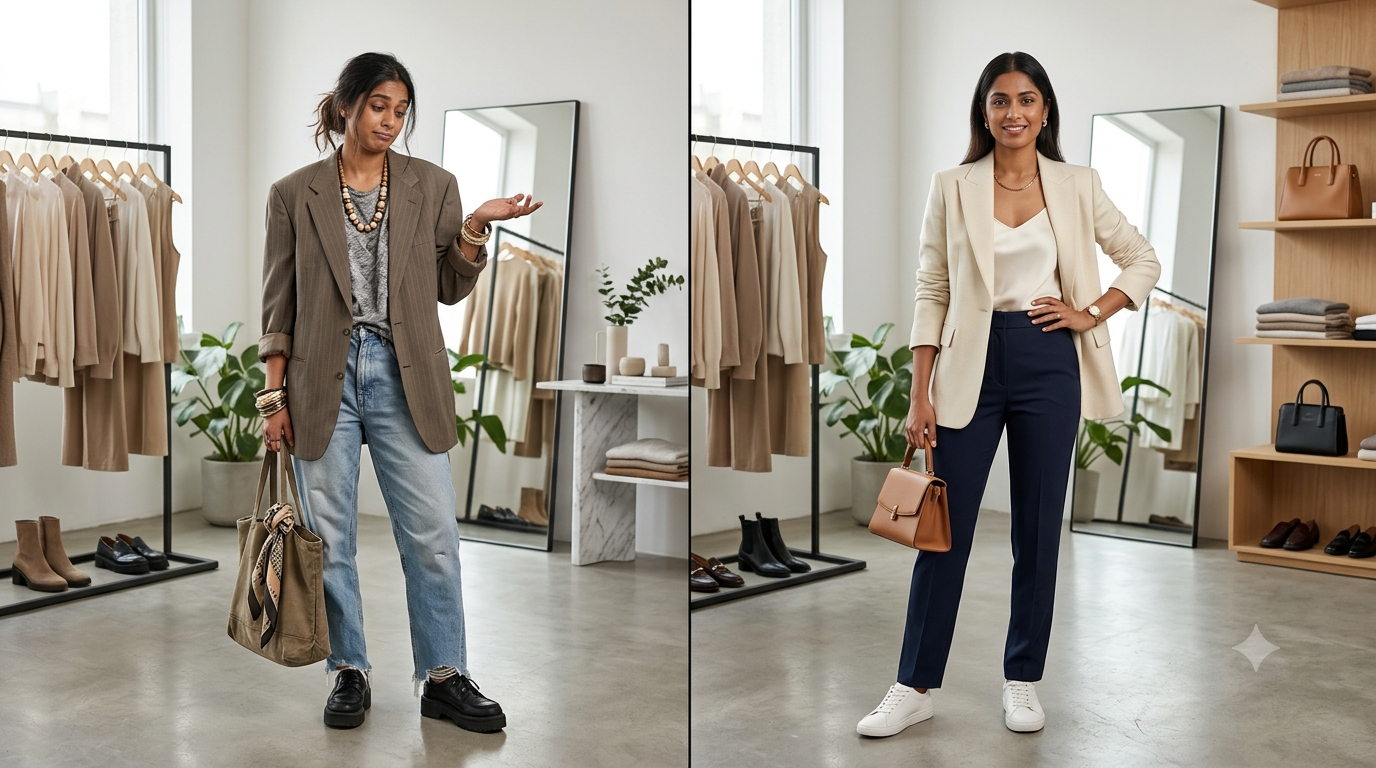
Fashion isn’t about looking younger—it’s about looking polished, confident, and current. However, certain styling habits can unintentionally add years to your appearance. Often, it’s not your age that affects how your outfit looks but outdated fits, poor color choices, neglected accessories, or clothing that no longer suits today’s fashion trends.
As fashion continues to evolve in 2026, modern style embraces balance, individuality, comfort, sustainability, and smart wardrobe planning. You don’t need to chase every runway trend or completely replace your wardrobe. Small styling updates can make a dramatic difference in how fresh, elegant, and confident you appear.
This guide explores the most common fashion mistakes that can make you look older and, more importantly, explains how to avoid them with practical styling tips inspired by current fashion trends, timeless wardrobe principles, and modern dressing techniques.
Why Some Clothes Instantly Make You Look Older
Fashion is constantly evolving. While classic pieces never truly go out of style, the way they’re worn certainly changes. Wearing outdated silhouettes, overly conservative styling, or clothes that don’t fit properly can create an aging effect regardless of your actual age.
Modern fashion focuses on clean tailoring, versatile layering, comfortable fabrics, quality basics, and thoughtful accessories. Instead of dressing according to strict fashion rules, today’s style encourages creating outfits that reflect your personality while remaining polished and effortless.
The goal isn’t to dress like someone younger. The goal is to dress like the best version of yourself.
1. Wearing Clothes That Don’t Fit Properly
One of the biggest style mistakes is wearing clothing that’s either too loose or too tight.
Oversized clothing without structure can hide your natural shape and create a bulky appearance. On the other hand, overly tight outfits emphasize areas you may not want to highlight and often appear uncomfortable.
Modern fashion favors relaxed yet tailored silhouettes that skim the body rather than cling to it.
Choose blazers with defined shoulders, straight-leg trousers, well-fitted jeans, structured dresses, and shirts that provide movement without excess fabric. A simple visit to a tailor can transform affordable clothing into outfits that look premium.
2. Sticking to the Same Wardrobe for Years
Many people continue wearing the same styles they’ve owned for a decade simply because they’re comfortable.
While comfort matters, fashion evolves through subtle changes in cuts, proportions, fabrics, and styling.
Updating your wardrobe doesn’t mean replacing everything. Start by adding a few contemporary pieces each season. Wide-leg trousers, relaxed shirts, monochrome co-ord sets, lightweight linen, modern sneakers, and structured handbags instantly refresh classic outfits without losing your personal style.
A wardrobe should evolve alongside your lifestyle.
3. Ignoring Color Trends
Color has a significant impact on how youthful and vibrant you appear.
An entire wardrobe filled with dull beige, dark brown, charcoal, or faded black can sometimes make your complexion appear tired.
This doesn’t mean wearing bright neon shades every day. Instead, introduce modern colors that complement your skin tone.
Fashion in 2026 embraces butter yellow, sage green, soft blue, terracotta, mocha mousse, olive, muted lavender, dusty pink, rich burgundy, chocolate brown, and elegant ivory.
Adding color through scarves, handbags, shoes, jackets, or knitwear can instantly modernize your appearance.
4. Wearing Outdated Denim Styles
Denim trends change more than most people realize.
Ultra-low-rise jeans, excessively embellished pockets, extremely skinny fits, or worn-out faded washes can date an outfit.
Today’s denim trends focus on clean silhouettes such as straight-leg jeans, barrel-leg jeans, relaxed wide-leg styles, bootcut denim, and dark indigo washes.
Pair them with crisp shirts, quality knitwear, or oversized blazers for a timeless look.
5. Neglecting Your Footwear
People often invest in clothing while overlooking shoes.
Old ballet flats, worn-out sandals, heavily scuffed heels, or outdated footwear can instantly age even the most fashionable outfit.
Instead, invest in versatile footwear that complements multiple outfits.
White leather sneakers, loafers, block heels, ankle boots, pointed flats, slingback shoes, and minimalist sandals remain stylish across seasons while providing comfort.
Well-maintained shoes always make an outfit look more expensive.
6. Wearing Too Many Accessories at Once
Accessories should enhance an outfit—not compete with it.
Heavy necklaces, oversized earrings, multiple bracelets, statement rings, oversized handbags, and embellished belts all worn together create visual clutter.
Modern styling follows a more balanced approach.
If your outfit features bold earrings, keep the necklace minimal. If your handbag makes a statement, let your jewelry remain understated.
Minimalism often appears more elegant than excess.
7. Choosing Poor Quality Fabrics
Fabric quality affects how expensive and modern clothing appears.
Thin polyester that wrinkles easily, shiny synthetic materials, or stretched fabrics can make even expensive garments appear dated.
Instead, prioritize breathable, structured fabrics such as cotton, linen, bamboo blends, modal, Tencel™, wool, silk, and quality denim.
Natural fabrics not only look better but also improve comfort and durability.
8. Ignoring Layering
Many wardrobes rely on single-piece outfits without thoughtful layering.
Layering creates depth, structure, and visual interest.
Adding a blazer over a dress, a lightweight trench coat over jeans, a knitted vest over a shirt, or a linen overshirt over a basic T-shirt immediately creates a more refined appearance.
Layering is also one of the easiest ways to transition outfits between seasons.
9. Wearing Too Much Black Every Day
Black remains timeless, but dressing entirely in black every day can sometimes appear harsh depending on your skin tone.
Breaking monochromatic black with cream, camel, navy, olive, burgundy, or metallic accessories softens the overall look.
Texture also matters.
Mixing leather, knitwear, linen, silk, and denim creates dimension without sacrificing sophistication.
10. Forgetting About Modern Hairstyles
Fashion extends beyond clothing.
An outdated hairstyle paired with modern clothing often creates a mismatch.
Soft layers, healthy hair, natural texture, and regular trims generally complement contemporary fashion better than heavily sprayed or overly structured hairstyles.
Similarly, fresh makeup with glowing skin often appears more youthful than heavy foundation or dramatic contouring.
11. Wearing Trendy Pieces Without Balance
Following every fashion trend can be just as problematic as ignoring trends altogether.
An outfit consisting entirely of oversized clothing, bold prints, metallic accessories, chunky sneakers, and statement jackets can feel overwhelming.
Fashion experts often recommend mixing timeless basics with one or two trend-driven pieces.
This balance helps outfits feel current without appearing overly experimental.
12. Keeping Clothes That No Longer Suit You
Many wardrobes contain clothes kept “just in case.”
Items that no longer fit, flatter, or reflect your current lifestyle take up valuable space and make everyday dressing more difficult.
Regular wardrobe editing helps identify pieces you genuinely wear.
Donate, recycle, or responsibly resell clothing that no longer serves you.
A smaller, well-curated wardrobe often creates better outfits than an overflowing closet.
13. Wearing Outdated Eyewear
Eyeglasses and sunglasses significantly influence facial appearance.
Frames that were fashionable fifteen years ago may unintentionally age your overall look.
Modern geometric frames, subtle cat-eye styles, transparent acetate, lightweight metal frames, or classic rectangular designs often feel fresher while remaining timeless.
Choose frames that complement your face shape rather than simply following trends.
14. Ignoring Sustainable Fashion
Today’s fashion isn’t only about appearance—it’s also about conscious choices.
Fast fashion purchased without planning often leads to wardrobes full of low-quality clothing that wears out quickly.
Instead, invest in fewer but better pieces.
Build relationships with brands that focus on quality craftsmanship, ethical production, durable fabrics, and timeless design.
A sustainable wardrobe often looks more sophisticated because every purchase has purpose.
15. Wearing Clothing Without Confidence
Perhaps the biggest mistake isn’t the clothes themselves.
Confidence transforms an outfit.
When you’re constantly adjusting your sleeves, pulling down your top, or worrying about how you look, it shows.
Choose clothing that fits comfortably, suits your personality, and allows you to move naturally.
Confidence remains the most timeless fashion accessory.
How to Build a Modern Wardrobe That Always Looks Fresh
Instead of chasing every seasonal trend, focus on creating a wardrobe built around versatile essentials.
Begin with quality basics such as white shirts, well-fitted jeans, tailored trousers, neutral knitwear, structured blazers, simple dresses, comfortable sneakers, loafers, and timeless handbags.
Once your foundation is complete, introduce seasonal colors, fashionable accessories, printed scarves, statement jewelry, or trend-led jackets.
This approach aligns with the growing popularity of capsule wardrobes, where every item works with multiple outfits. A thoughtfully planned wardrobe saves time, reduces unnecessary shopping, and ensures you always have something stylish to wear.
The Growing Influence of AI on Personal Style
Technology is changing fashion in exciting ways.
Artificial intelligence now helps shoppers discover clothing based on body shape, preferred colors, shopping history, and lifestyle. Virtual try-ons, personalized recommendations, AI styling assistants, and smart wardrobe apps make it easier than ever to experiment with outfits before purchasing.
Rather than replacing personal style, these tools help you make more informed buying decisions, reducing impulse purchases and encouraging wardrobes that are both fashionable and practical.
Dressing for Different Occasions Matters
A stylish outfit isn’t only about following trends—it’s also about wearing the right clothing for the right setting.
Office wear should balance professionalism with comfort through tailored separates, structured blazers, and elegant footwear.
Casual weekends are ideal for relaxed denim, breathable fabrics, and versatile sneakers.
Wedding celebrations provide opportunities to embrace contemporary Indian craftsmanship through modern sarees, lightweight lehengas, chikankari, bandhani, gota patti, and handwoven textiles styled with updated silhouettes.
Travel wardrobes benefit from wrinkle-resistant fabrics, layering pieces, comfortable shoes, and neutral colors that can be mixed and matched easily.
When clothing suits both the occasion and your personality, it naturally appears more polished.
Fashion Mistakes Men Should Avoid
Style advice isn’t limited to women.
Men also benefit from updating outdated wardrobe habits.
Ill-fitting suits, oversized shirts, extremely baggy trousers, worn athletic shoes, excessive logos, outdated denim, and neglected grooming can make an appearance seem older than necessary.
Modern menswear embraces tailored fits, neutral color palettes, textured fabrics, premium basics, quality sneakers, loafers, and versatile layering pieces that transition effortlessly from work to casual settings.
Small Details That Instantly Modernize Any Outfit
Often, it’s the smallest adjustments that have the greatest impact.
Rolling up shirt sleeves slightly, tucking in the front of a shirt, replacing an old handbag, adding a structured blazer, upgrading your footwear, wearing contemporary jewelry, choosing quality fabrics, or introducing one modern color can completely refresh your appearance without requiring an entirely new wardrobe.
Fashion today values thoughtful styling more than expensive labels.
Fashion Trends Come and Go, Personal Style Lasts
Trends are exciting because they introduce fresh ideas, but they shouldn’t define your wardrobe.
Personal style develops over time through understanding what fits well, what feels comfortable, and what genuinely reflects your personality.
The most stylish people aren’t necessarily those wearing the latest runway collections. They’re the ones who know how to combine timeless wardrobe staples with carefully selected modern trends.
When your wardrobe is built around quality, versatility, confidence, and intentional styling, you’ll always look contemporary without trying too hard.
Conclusion
Looking younger isn’t about copying what teenagers wear or filling your wardrobe with every new trend. It’s about making thoughtful style choices that flatter your body, reflect your personality, and keep your wardrobe feeling current.
Avoiding common fashion mistakes such as poor fit, outdated silhouettes, neglected accessories, low-quality fabrics, and excessive trend-chasing can dramatically improve your overall appearance. At the same time, embracing capsule wardrobe principles, sustainable fashion, modern color palettes, quality craftsmanship, and smart styling techniques helps create outfits that remain elegant year after year.
Fashion in 2026 celebrates authenticity, versatility, and confidence more than ever before. Instead of asking whether something makes you look younger, ask whether it makes you feel like the best version of yourself. When you dress with purpose, invest in timeless essentials, and thoughtfully incorporate modern trends, your style naturally looks fresh, sophisticated, and effortlessly contemporary.

NCR DELHI TEAM