Wedding Fashion Trends in India for 2026: The Ultimate Guide to Bridal, Groom & Guest Style
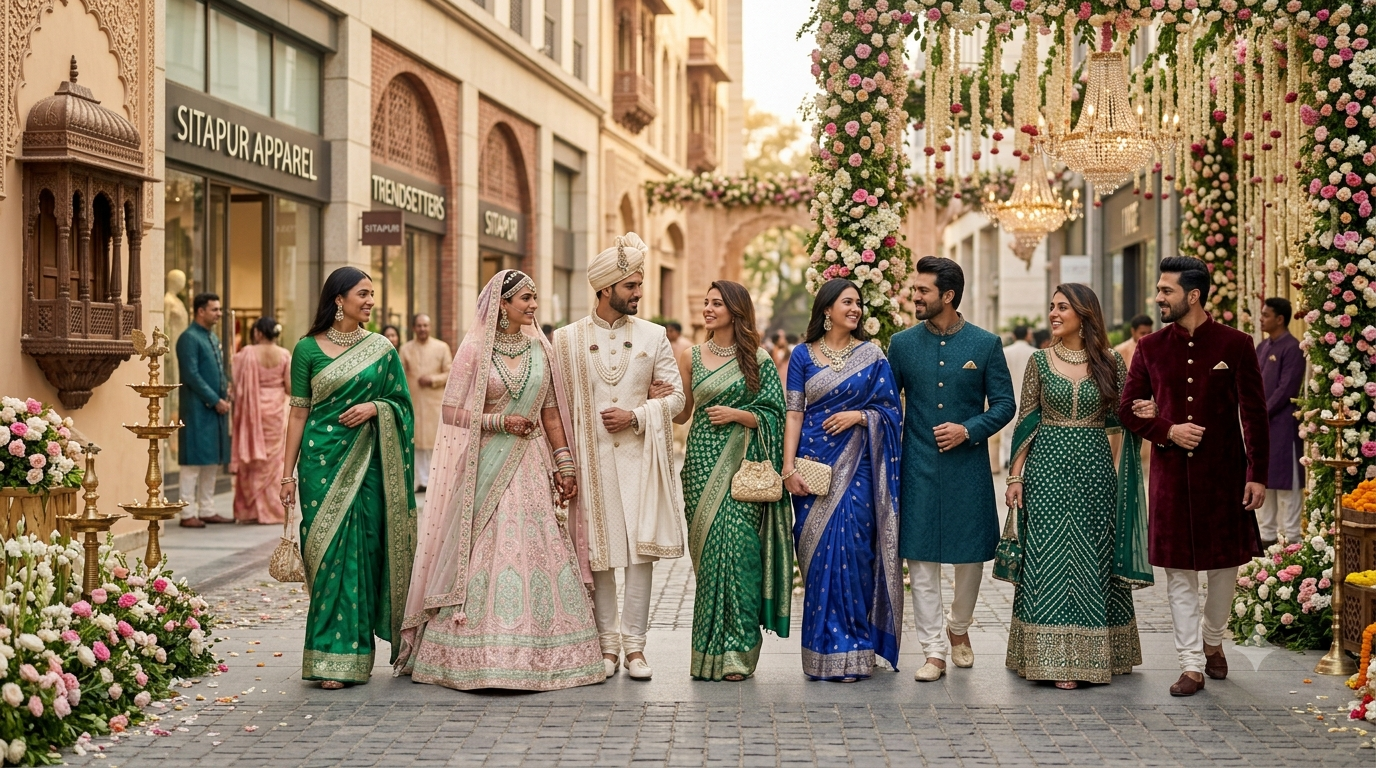
Indian weddings have always been a celebration of culture, craftsmanship, and timeless elegance. However, wedding fashion in 2026 is taking a fresh direction by blending heritage with innovation. Today’s brides and grooms are looking beyond traditional outfits and embracing styles that reflect their personalities while remaining rooted in Indian traditions. From handcrafted Banarasi weaves and Chikankari embroidery to AI-inspired customization, sustainable couture, statement jewelry, and modern silhouettes, wedding fashion has become more expressive than ever.
Another major shift in 2026 is the growing preference for versatile outfits that can be restyled after the wedding. Couples are investing in timeless craftsmanship instead of one-time ensembles, while designers are combining luxurious fabrics with lightweight construction for greater comfort. This balance of tradition, sustainability, and individuality is shaping the future of Indian wedding fashion. Industry coverage also highlights a move toward personalized styling, heritage textiles, expressive detailing, and modern tailoring.
Whether you’re a bride, groom, bridesmaid, family member, or wedding guest, this guide explores the biggest wedding fashion trends in India for 2026 to help you create memorable looks for every celebration.
1. Heritage Craftsmanship Takes Center Stage
The biggest trend of 2026 is a renewed appreciation for Indian craftsmanship. Rather than relying solely on heavy embellishments, designers are celebrating regional textile traditions that showcase India’s rich artistic heritage.
Brides are increasingly choosing handcrafted Banarasi silk, Chanderi, Organza, Kanjeevaram, Bandhani, Patola, Jamdani, Chikankari, Gota Patti, Kashmiri embroidery, Zardozi, and Aari work. These techniques bring authenticity and timeless beauty to bridal ensembles while supporting artisan communities.
Instead of overwhelming designs, intricate handcrafted details are becoming the true luxury statement.
2. Personalized Bridal Fashion Is the New Luxury
Every bride wants her wedding outfit to tell a unique story. Personalization has become one of the defining wedding fashion trends in India for 2026.
Designers now incorporate custom embroidery featuring initials, wedding dates, meaningful quotes, family symbols, and even illustrations inspired by a couple’s journey. AI-assisted visualization tools also help brides preview color palettes, embroidery layouts, and silhouette options before final production, making customization more accessible.
Rather than following celebrity trends blindly, modern brides are creating outfits that reflect their own personalities.
3. Sustainable Wedding Fashion Becomes Mainstream
Sustainability is no longer a niche concept in Indian weddings. Couples are becoming increasingly conscious about responsible fashion choices.
Many brides now choose naturally dyed fabrics, organic textiles, recycled embellishments, handcrafted embroidery, and locally produced garments. Families are also reviving heirloom sarees and lehengas by redesigning them with contemporary blouses or modern drapes.
This approach not only reduces waste but also preserves family traditions while creating unique wedding outfits.
4. Lightweight Luxury Replaces Heavy Bridal Wear
Comfort has become equally important as appearance.
Instead of wearing extremely heavy lehengas throughout the wedding, brides are selecting lightweight luxury fabrics including organza, tissue silk, georgette, crepe silk, fine raw silk, and soft velvet.
These fabrics create graceful movement while making it easier to enjoy long wedding ceremonies, destination weddings, and outdoor celebrations.
The emphasis has shifted from excessive weight to elegant craftsmanship.
5. Modern Color Palettes Beyond Traditional Red
While classic bridal red remains timeless, wedding color trends for 2026 are expanding significantly.
Popular bridal shades include ivory, champagne gold, blush pink, dusty rose, sage green, pistachio, lavender, powder blue, wine, emerald green, rust orange, mocha brown, deep maroon, and jewel tones.
These sophisticated palettes offer a modern interpretation of traditional Indian bridal fashion while allowing couples to express their personal style.
6. Statement Blouses Become the Highlight
The blouse has evolved into one of the most important fashion elements of bridal styling.
Trending designs include sculptural sleeves, pearl embellishments, three-dimensional floral embroidery, cape blouses, corset-inspired silhouettes, dramatic backs, detachable sleeves, and contemporary necklines.
Many brides now pair timeless lehengas with fashion-forward blouses to create balanced, modern wedding looks.
7. Dupattas Become Styling Statements
Rather than serving only as a traditional accessory, dupattas are becoming statement pieces.
Double-dupatta styling remains popular, with one dupatta draped traditionally while the second is styled creatively over the shoulders or arms.
Embroidered borders, scalloped edges, mirror work, hand-painted fabrics, tissue silk, and lightweight organza dupattas are among the most sought-after choices.
8. Indo-Western Fusion Continues to Rise
One of the biggest wedding fashion trends in India for 2026 is the growing popularity of Indo-Western styling.
Brides are experimenting with pre-draped sarees, cape lehengas, jacket lehengas, structured corsets, peplum blouses, dhoti-inspired skirts, pant sarees, and contemporary draped silhouettes.
These designs maintain Indian craftsmanship while offering greater comfort and versatility. Indo-Western fashion continues to evolve by blending traditional garments with modern tailoring and styling.
9. Groom Fashion Receives Equal Attention
Wedding fashion is no longer focused solely on brides.
Modern grooms are investing in tailored sherwanis, embroidered bandhgalas, Indo-Western jackets, velvet tuxedos, textured achkans, silk kurtas, layered safas, handcrafted mojris, and personalized accessories.
Pastel sherwanis remain popular for daytime ceremonies, while jewel tones, ivory, forest green, midnight blue, and black continue to dominate evening celebrations.
Subtle embroidery and clean tailoring are replacing excessively ornate designs.
10. Wedding Guest Fashion Gets Smarter
Guests are moving away from heavily embellished outfits that compete with the bride.
Instead, elegant sarees, contemporary sharara sets, coordinated kurta ensembles, lightweight lehengas, draped gowns, and sophisticated Indo-Western outfits have become preferred choices.
Wedding guest fashion now emphasizes effortless elegance, breathable fabrics, and versatile styling that works across multiple wedding functions.
11. Quiet Luxury Influences Indian Weddings
One of the biggest global fashion movements is now influencing Indian bridal wear.
Quiet luxury focuses on impeccable tailoring, premium fabrics, subtle embroidery, timeless silhouettes, and understated elegance rather than flashy embellishments.
Luxury is now measured by craftsmanship, fit, and fabric quality instead of excessive decoration.
12. Floral Embroidery and Nature-Inspired Motifs
Nature continues to inspire Indian wedding couture.
Three-dimensional flowers, botanical embroidery, vines, birds, lotus motifs, peacocks, and handcrafted floral beadwork are appearing across bridal collections.
These romantic elements create softer, more contemporary bridal aesthetics while maintaining traditional artistry.
13. Jewelry Trends Become More Layered
Wedding jewelry in 2026 embraces balance rather than excess.
Layered necklaces, statement chokers paired with longer haar sets, polki jewelry, uncut diamonds, temple jewelry, emeralds, pearls, and vintage-inspired heirloom pieces are especially popular.
Instead of matching every piece perfectly, brides are mixing textures and generations of jewelry for a more curated look.
14. Wedding Fashion Embraces AI and Technology
Technology is quietly transforming bridal shopping.
Artificial intelligence is helping designers predict trends, recommend personalized color palettes, visualize complete bridal looks, optimize inventory, and improve customization. AI-powered styling tools are also making it easier for shoppers to discover silhouettes that suit their preferences and body types.
While craftsmanship remains central, technology is improving the design and shopping experience.
15. Capsule Thinking Changes Wedding Shopping
Inspired by the growing capsule wardrobe movement, many couples now prefer investment pieces over one-time purchases.
A bridal blouse that pairs with future sarees, a versatile silk dupatta, or a groom’s embroidered jacket that can be worn for festivals adds long-term value.
This mindset encourages thoughtful buying while reducing unnecessary spending and wardrobe waste.
Wedding Fashion Trends for Every Function
Different ceremonies now have their own distinct fashion identities.
For the Haldi ceremony, breathable yellow, ivory, or floral outfits made from cotton, mulmul, or organza are preferred.
For Mehendi celebrations, vibrant greens, mirror work, Bandhani prints, and playful silhouettes dominate.
Sangeet fashion embraces movement with fringe details, sequins, lightweight lehengas, pre-draped sarees, and Indo-Western gowns.
Wedding ceremony outfits highlight heritage craftsmanship, luxurious fabrics, and timeless elegance.
Reception fashion often features contemporary gowns, metallic embroidery, monochrome palettes, velvet textures, or sleek sarees with statement jewelry.
Fashion Mistakes to Avoid in 2026
Choosing style over comfort remains one of the biggest mistakes. Wedding celebrations often last several hours, making breathable fabrics and proper tailoring essential.
Ignoring personal body shape while blindly following celebrity trends can also affect the final look. Instead of chasing every viral design, choose silhouettes that enhance your natural proportions.
Over-accessorizing is another common mistake. Modern styling focuses on balance, allowing one statement element—whether jewelry, embroidery, or the outfit itself—to take the spotlight.
Poor fabric selection for seasonal weddings should also be avoided. Lightweight textiles are ideal for summer, while velvet, brocade, and heavier silks work beautifully during winter celebrations.
How to Build a Timeless Wedding Wardrobe
Instead of purchasing numerous outfits that are rarely worn again, invest in classic pieces that can be styled differently over time.
A handcrafted Banarasi saree, an elegant silk lehenga, a neutral embroidered blouse, premium jewelry, and a beautifully tailored sherwani can become wardrobe staples for festivals, anniversaries, and future family celebrations.
Timeless fashion always delivers greater value than short-lived trends.
Celebrity and Runway Influence
Celebrity weddings and couture runways continue to shape Indian wedding fashion, but 2026 places greater emphasis on individuality.
Modern brides are taking inspiration from runway silhouettes while adapting them to their own traditions, personalities, and family customs. Maximalist embroidery, Art Deco-inspired evening glamour, expressive tailoring, and richer textures are also influencing occasion wear alongside heritage crafts.
The Future of Indian Wedding Fashion
Wedding fashion in India is entering an exciting new era where tradition and innovation exist side by side. Sustainable craftsmanship, regional textiles, personalized couture, AI-assisted customization, timeless investment pieces, and modern silhouettes are redefining what luxury means.
Rather than chasing short-lived trends, today’s couples are choosing clothing that tells their stories, celebrates Indian heritage, and remains meaningful long after the wedding day. Whether you prefer a regal Banarasi saree, an elegant pastel lehenga, a sharply tailored sherwani, or a contemporary Indo-Western ensemble, the defining trend of 2026 is authenticity.
The most memorable wedding style is not about wearing the heaviest outfit or the most expensive designer label. It is about selecting garments that reflect your personality, respect tradition, offer comfort, and create memories that last a lifetime.

NCR DELHI TEAM