
Capsule Wardrobe Guide: How to Build a Minimalist Closet in 2026
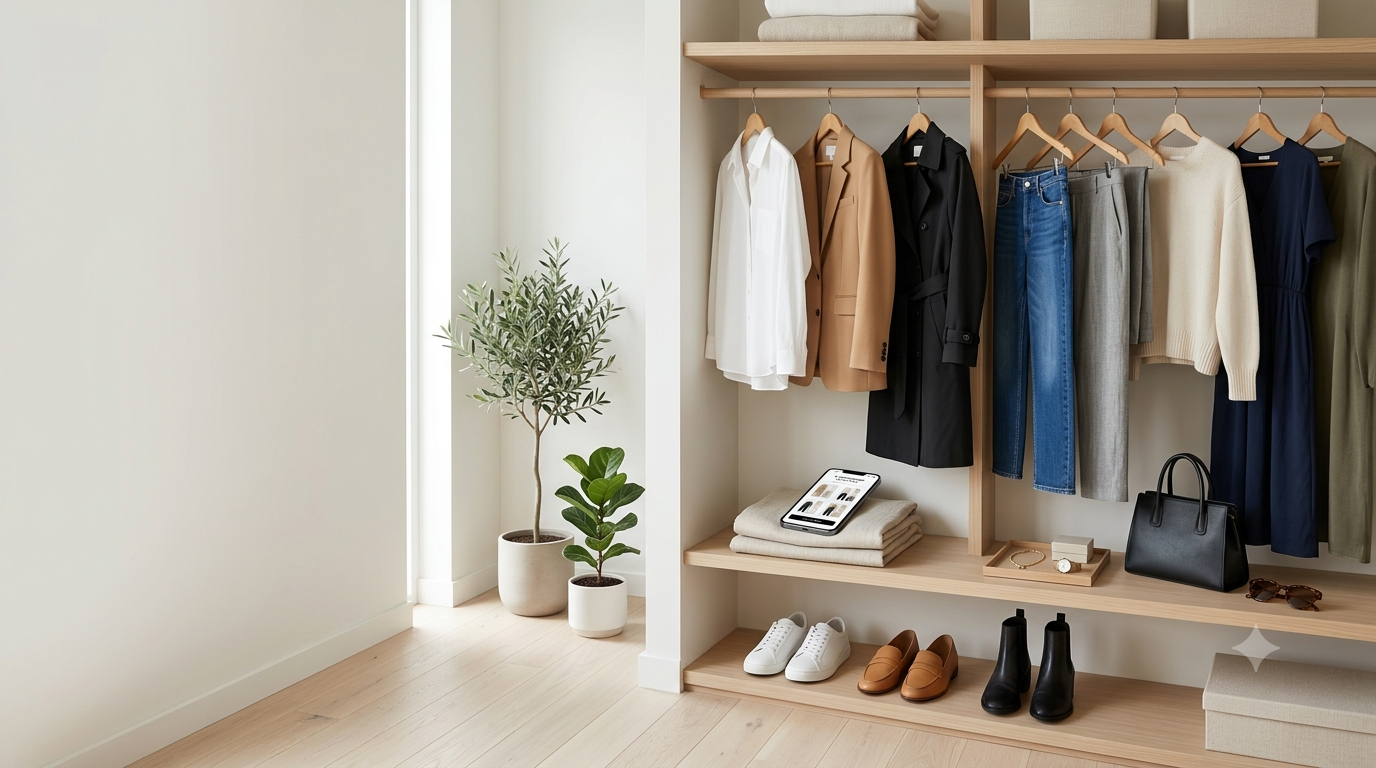
Minimalism has evolved far beyond being a passing trend. In 2026, a capsule wardrobe is no longer just about owning fewer clothes—it’s about making smarter fashion choices, reducing waste, saving money, and creating a wardrobe that effortlessly fits your lifestyle. As fashion embraces sustainability, AI-powered styling, quiet luxury, and timeless essentials, more people are choosing quality over quantity.
If you’ve ever stood in front of a wardrobe full of clothes and still felt like you had nothing to wear, you’re not alone. A capsule wardrobe solves this common problem by helping you build a collection of versatile, high-quality pieces that work together across seasons, occasions, and trends. Whether you’re a college student, a working professional, a frequent traveler, or someone simply looking to simplify daily dressing, a thoughtfully curated capsule wardrobe makes getting dressed easier while helping you develop a more refined personal style.
This complete guide explains everything you need to know about building a minimalist closet in 2026, including wardrobe essentials, color palettes, seasonal planning, shopping strategies, sustainable fashion, AI styling tools, and common mistakes to avoid.
What Is a Capsule Wardrobe?
A capsule wardrobe is a carefully selected collection of clothing that can be mixed and matched to create numerous outfits without owning an excessive number of garments. The concept focuses on versatility, timeless style, quality fabrics, and intentional shopping rather than constantly chasing fast-fashion trends.
Unlike restrictive fashion rules, a capsule wardrobe is flexible. It adapts to your profession, climate, lifestyle, and personality. Someone working in a corporate office will naturally have different essentials than a freelancer, university student, or entrepreneur, but the philosophy remains the same—every piece should earn its place by being useful, wearable, and easy to pair with the rest of your wardrobe.
The goal isn’t to own the fewest clothes possible. Instead, it’s to eliminate unnecessary purchases while maximizing outfit possibilities.
Why Capsule Wardrobes Are More Popular Than Ever in 2026
Fashion in 2026 is shifting toward conscious consumption. Consumers are increasingly prioritizing durability, craftsmanship, ethical production, and versatility over impulse buying. Rising awareness about textile waste and environmental impact has also encouraged shoppers to rethink how they build their wardrobes.
At the same time, the popularity of quiet luxury has reinforced the appeal of timeless silhouettes, neutral color palettes, premium fabrics, and understated elegance. Rather than buying ten trendy pieces that may go out of style within months, many people now prefer investing in fewer garments that remain fashionable for years.
Technology has also played a role. AI-powered styling apps, virtual wardrobes, digital closet organizers, and personalized shopping recommendations make it easier than ever to plan outfits, identify wardrobe gaps, and avoid unnecessary purchases.
Benefits of Building a Minimalist Closet
One of the biggest advantages of a capsule wardrobe is simplicity. Getting dressed becomes faster because every item works with several others. You spend less time deciding what to wear and more time focusing on your day.
Financial savings are another significant benefit. Instead of buying low-quality clothing every few weeks, investing in durable essentials often reduces long-term spending.
A minimalist wardrobe also encourages better shopping habits. Before purchasing anything new, you’ll naturally ask whether it complements existing pieces, whether it fits your lifestyle, and whether you’ll actually wear it regularly.
From an environmental perspective, buying fewer, better-made garments helps reduce textile waste, overproduction, and unnecessary consumption, making your wardrobe more sustainable.
How Many Clothes Should a Capsule Wardrobe Have?
There is no universal number. While some people follow the classic 30 to 40-piece approach, others prefer 50 or even 70 items depending on climate, work requirements, and personal preferences.
Instead of counting every item obsessively, focus on balance. Your wardrobe should contain enough clothing to comfortably cover workdays, weekends, social events, travel, and seasonal weather without overflowing with rarely worn pieces.
The objective is functionality rather than strict limitations.
Start by Decluttering Your Existing Wardrobe
Before buying anything new, evaluate what you already own.
Remove clothes that no longer fit, are damaged beyond repair, duplicate other pieces, or haven’t been worn in over a year. Keep garments that fit well, are comfortable, and coordinate with multiple outfits.
You’ll often discover that your future capsule wardrobe already exists—you simply need to eliminate distractions.
Rather than discarding unwanted clothing, consider donating, selling, recycling, or repurposing items to extend their life and reduce fashion waste.
Choose a Color Palette That Works Together
Color coordination is the foundation of every successful capsule wardrobe.
Neutral shades such as black, white, beige, cream, grey, navy, olive, camel, and chocolate brown remain among the strongest choices in 2026 because they pair effortlessly with one another.
Once your base colors are established, introduce two or three accent colors that reflect your personality. Soft blues, burgundy, emerald green, butter yellow, terracotta, dusty pink, lavender, and muted coral are popular choices this year.
Keeping your palette consistent allows almost every top to match multiple bottoms, jackets, shoes, and accessories, dramatically increasing outfit combinations.
Essential Clothing Pieces for a Capsule Wardrobe
The exact pieces vary depending on your lifestyle, but every successful capsule wardrobe shares one characteristic—versatility.
A well-fitted white shirt remains one of the hardest-working garments in any closet. It transitions easily from office meetings to casual outings.
Classic T-shirts in neutral shades provide the foundation for everyday dressing, while quality denim, tailored trousers, midi skirts, and versatile dresses create countless outfit possibilities.
Outerwear deserves careful attention because it often defines your overall appearance. A structured blazer, lightweight jacket, trench coat, or elegant cardigan instantly elevates simple basics.
Footwear should prioritize quality over quantity. Comfortable white sneakers, classic loafers, ankle boots, elegant sandals, and timeless formal shoes generally cover most occasions without overcrowding your shoe rack.
Accessories complete the wardrobe. A structured handbag, minimalist jewelry, quality leather belt, and classic sunglasses can transform basic clothing into polished outfits.
Build Around Your Lifestyle
A capsule wardrobe should reflect your real life—not someone else’s Instagram feed.
If you work remotely, prioritize comfortable separates, knitwear, and relaxed tailoring.
Corporate professionals may require more blazers, formal shirts, trousers, and structured dresses.
Frequent travelers benefit from wrinkle-resistant fabrics and multi-purpose clothing that can be styled differently throughout a trip.
Parents often appreciate washable, durable fabrics that withstand everyday activities.
Students typically need comfortable casual wear that easily transitions between classes, internships, and social events.
The most successful capsule wardrobes are designed around daily routines rather than aspirational lifestyles.
Embrace Quiet Luxury Instead of Fast Fashion
Quiet luxury continues to shape fashion in 2026.
Rather than relying on oversized logos or highly recognizable branding, this style emphasizes premium materials, exceptional tailoring, timeless cuts, and subtle elegance.
Simple cashmere sweaters, linen shirts, tailored trousers, leather loafers, structured handbags, and minimalist jewelry create a sophisticated appearance without feeling excessive.
Quiet luxury aligns perfectly with capsule wardrobes because both prioritize longevity over temporary trends.
Sustainable Fashion Makes Your Capsule Wardrobe Stronger
Building a capsule wardrobe naturally encourages sustainability.
Choose garments made from organic cotton, linen, hemp, TENCEL™, recycled fibers, responsibly sourced wool, and other environmentally conscious materials whenever possible.
Supporting ethical brands that value artisan craftsmanship, fair wages, transparent supply chains, and responsible production contributes to a healthier fashion industry while often resulting in higher-quality clothing.
Rather than asking, “Is this fashionable?” ask, “Will I still enjoy wearing this three years from now?”
That simple shift in thinking transforms shopping habits.
AI Is Transforming Capsule Wardrobes
Artificial intelligence has become an unexpected ally for minimalist fashion.
Many wardrobe management apps now analyze your existing clothing, recommend new outfit combinations, suggest complementary purchases, forecast seasonal trends, and even identify garments you rarely wear.
Virtual try-on technology helps shoppers visualize clothing before ordering online, reducing unnecessary returns.
AI-powered personal styling platforms increasingly recommend clothing based on body shape, color analysis, climate, profession, and previous purchases, making it easier to buy intentionally instead of impulsively.
Technology doesn’t replace personal style—it simply helps refine it.
Don’t Ignore Seasonal Planning
A capsule wardrobe should adapt throughout the year without requiring a complete overhaul.
During spring and summer, breathable fabrics such as cotton and linen become wardrobe staples. Lightweight dresses, relaxed trousers, oversized shirts, and comfortable sandals create effortless warm-weather outfits.
Autumn introduces layering opportunities through knitwear, lightweight jackets, ankle boots, and scarves.
Winter focuses on quality coats, wool trousers, thermal layers, boots, and premium knitwear that provide warmth while maintaining a polished appearance.
Instead of replacing your entire wardrobe each season, rotate seasonal pieces while keeping core essentials consistent throughout the year.
Indian Capsule Wardrobe Essentials
A capsule wardrobe can easily accommodate Indian lifestyles and traditions.
Classic kurtas in neutral shades, well-tailored straight pants, versatile dupattas, elegant sarees for festive occasions, comfortable ethnic sets, and handcrafted jackets blend beautifully with modern wardrobe staples.
Neutral ethnic wear pairs effortlessly with contemporary accessories, allowing traditional clothing to remain relevant throughout the year rather than being reserved exclusively for festivals or weddings.
Choosing timeless embroidery such as Chikankari, Bandhani, Ajrakh, Ikat, or handloom fabrics also supports traditional craftsmanship while ensuring long-term wearability.
Occasion Dressing Without Overbuying
One common misconception is that capsule wardrobes eliminate variety.
In reality, thoughtful styling creates completely different looks using the same garments.
A white shirt worn with denim creates a casual weekend outfit.
The same shirt paired with tailored trousers and loafers becomes office appropriate.
Layer it beneath a blazer for meetings, tuck it into a satin skirt for dinner, or combine it with linen shorts during vacations.
Accessories, footwear, and layering dramatically increase outfit possibilities without increasing wardrobe size.
Smart Shopping Rules for 2026
Before purchasing new clothing, ask yourself whether it complements at least five existing items in your wardrobe.
Consider fabric quality, construction, fit, comfort, maintenance requirements, and cost per wear rather than focusing solely on price tags.
Avoid shopping simply because something is discounted or trending on social media.
Waiting 24 hours before making non-essential purchases often prevents impulse buying.
Shopping intentionally almost always results in a stronger wardrobe.
Common Capsule Wardrobe Mistakes
Many beginners mistakenly remove too many clothes too quickly, leaving themselves without enough options for work or special occasions.
Others purchase expensive basics before understanding their actual wardrobe needs.
Ignoring local climate is another frequent mistake. Heavy knitwear may look appealing online but prove impractical in warmer regions.
Buying uncomfortable shoes, choosing poor-quality fabrics, or selecting clothing that doesn’t fit properly can quickly undermine the effectiveness of a minimalist wardrobe.
Perhaps the biggest mistake is trying to copy someone else’s capsule wardrobe instead of building one that reflects your own lifestyle.
Fashion Trends Worth Incorporating in 2026
Although capsule wardrobes prioritize timeless fashion, incorporating a few carefully chosen trends each year keeps your style feeling modern.
Relaxed tailoring continues to dominate both men’s and women’s fashion, while matching co-ord sets remain practical and stylish.
Butter yellow, mocha mousse, olive green, deep burgundy, soft lavender, and earthy neutrals are among the year’s most wearable colors.
Textured fabrics, lightweight linen, handcrafted embroidery, woven leather accessories, sculptural handbags, ballet-inspired flats, retro sneakers, and oversized sunglasses provide contemporary updates without compromising versatility.
The key is moderation. A handful of trend-focused accessories often refreshes an entire wardrobe.
Build a Wardrobe That Reflects You
Fashion should simplify your life rather than complicate it.
A capsule wardrobe isn’t about restricting creativity or eliminating individuality. It’s about creating a collection of clothing that supports your daily routine, reflects your personality, and allows you to feel confident every time you get dressed.
As fashion continues evolving through sustainability, technology, ethical production, and timeless design, minimalist wardrobes are becoming less about following rules and more about making intentional choices.
Instead of constantly asking what’s trending this week, focus on building a wardrobe that serves you for years. Invest in quality, embrace versatility, shop mindfully, and allow your personal style to evolve naturally.
In 2026, the most fashionable closet isn’t necessarily the biggest one. It’s the one filled with pieces you genuinely love to wear, that work together effortlessly, and that help you look polished without unnecessary clutter. A thoughtfully curated capsule wardrobe offers exactly that—a timeless, practical, and sustainable approach to modern fashion.

NCR DELHI TEAM