Sustainable Fashion Brands in India: Best Eco-Friendly Clothing Labels (2026)
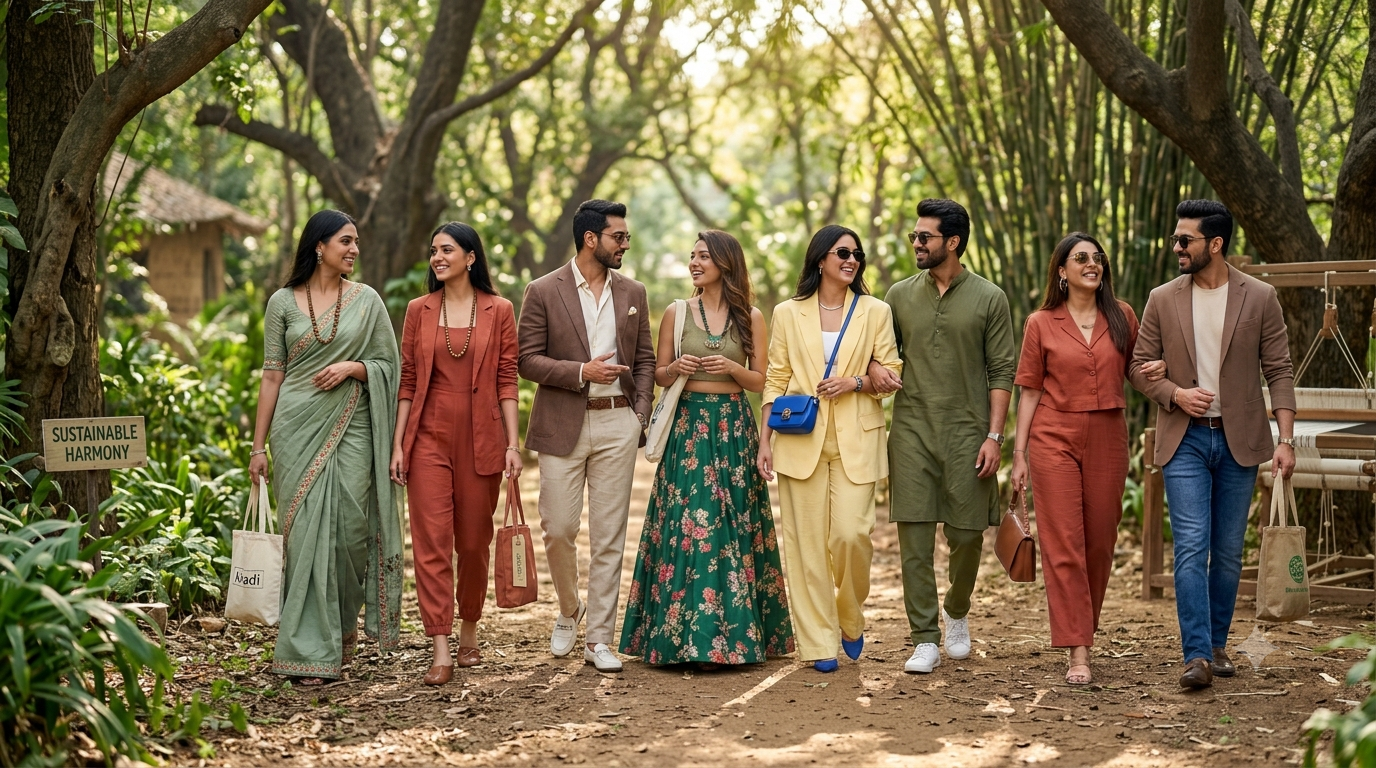
Fashion is changing faster than ever, but one movement is proving that style doesn’t have to come at the expense of the planet. Across India, consumers are becoming more conscious about where their clothes come from, how they are made, and the impact they leave behind. This shift has transformed sustainable fashion from a niche concept into one of the biggest trends shaping the Indian apparel industry in 2026.
Today’s shoppers are no longer buying clothes simply because they’re fashionable. They want garments made from eco-friendly fabrics, produced under ethical working conditions, designed to last longer, and created with minimal environmental impact. From organic cotton kurtas and handwoven sarees to recycled denim, vegan accessories, and timeless capsule wardrobe essentials, sustainable fashion brands in India are redefining how people shop.
The rise of slow fashion is also encouraging consumers to invest in quality instead of quantity. Rather than filling wardrobes with inexpensive garments that quickly lose their appeal, people are choosing versatile clothing that can be worn across seasons, styled in different ways, and treasured for years. This conscious approach not only reduces textile waste but also supports artisans, traditional craftsmanship, and local communities.
Technology is accelerating this transformation as well. Artificial intelligence is helping brands forecast demand more accurately, minimize overproduction, personalize shopping experiences, and optimize supply chains. Combined with innovations in sustainable fabrics and circular fashion, India’s eco-conscious fashion movement is becoming stronger every year.
Whether you’re looking for affordable sustainable clothing, premium designer labels, handcrafted ethnic wear, or everyday essentials, this guide explores the best eco-friendly clothing brands in India for 2026 and explains how to build a wardrobe that is stylish, practical, and environmentally responsible.
Why Sustainable Fashion Matters More Than Ever
The global fashion industry has long been associated with excessive water consumption, textile waste, chemical pollution, and carbon emissions. Fast fashion encourages consumers to buy more clothing than they actually need, resulting in millions of garments ending up in landfills every year.
Sustainable fashion offers a different path. It focuses on creating clothing that respects both people and the planet. Instead of mass-producing garments using cheap synthetic materials, sustainable brands prioritize responsibly sourced fabrics, ethical manufacturing, fair wages, and environmentally friendly production methods.
In India, sustainability also means preserving centuries-old textile traditions. Handloom weaving, natural dyeing, block printing, Chikankari embroidery, Ajrakh printing, Bandhani, Ikat, Kalamkari, and Khadi production are not just cultural treasures—they’re environmentally responsible alternatives to industrial manufacturing.
As consumers become more aware of climate change and responsible shopping, sustainable fashion is evolving from a trend into a long-term lifestyle choice.
What Makes a Fashion Brand Truly Sustainable?
Not every brand that uses words like “eco-friendly” or “green” is genuinely sustainable. Responsible fashion goes far beyond marketing claims.
A truly sustainable clothing brand considers every stage of its production process. This includes sourcing environmentally friendly raw materials, minimizing water usage, reducing carbon emissions, ensuring ethical labor practices, limiting plastic packaging, and creating garments designed for durability rather than disposable trends.
Many leading Indian brands also publish transparency reports, explain where their fabrics come from, and work directly with artisan communities across the country. This level of openness helps consumers make informed purchasing decisions.
Sustainability also extends to the end of a garment’s life cycle. Several brands now encourage clothing repair, resale, recycling, or upcycling to reduce waste and support a circular fashion economy.
Eco-Friendly Fabrics Changing Indian Fashion
Fabric selection plays one of the biggest roles in determining how sustainable a garment truly is.
Organic cotton remains one of the most popular choices because it is grown without harmful pesticides and uses significantly fewer chemicals than conventional cotton. The resulting fabric is softer, breathable, and better for both farmers and consumers.
Hemp has emerged as another favorite due to its durability and low environmental footprint. It requires less water, grows quickly, and naturally resists pests, making it one of the most sustainable fibers available today.
Bamboo fabric continues to gain popularity for its lightweight feel, moisture-wicking properties, and comfort during India’s hot summers. Linen, made from flax plants, is another biodegradable material appreciated for its timeless appearance and longevity.
Many Indian brands are also embracing recycled fabrics made from post-consumer plastic bottles, discarded textiles, and regenerated fibers. These materials reduce landfill waste while giving existing resources a second life.
Natural dyes derived from plants, flowers, vegetables, and minerals are replacing synthetic chemical dyes, further reducing environmental pollution and supporting healthier manufacturing practices.
Best Sustainable Fashion Brands in India (2026)
India is home to an impressive collection of sustainable fashion labels catering to every style preference and budget.
Fabindia continues to champion artisan-made clothing by working with rural craftspeople and promoting traditional Indian textiles. Its collections celebrate handwoven fabrics, block prints, and timeless ethnic wear while supporting thousands of artisans.
No Nasties has become one of India’s most recognized ethical fashion brands. Using certified organic cotton and fair trade manufacturing practices, the brand offers minimalist everyday essentials that combine comfort with environmental responsibility.
Doodlage has built its identity around upcycling. By transforming surplus fabrics and production waste into contemporary fashion, the brand proves that creativity and sustainability can work hand in hand.
Okhai collaborates with rural women artisans across India, producing handcrafted garments that preserve traditional embroidery while generating sustainable livelihoods.
B Label emphasizes biodegradable fabrics, transparent sourcing, and timeless silhouettes designed to remain fashionable beyond seasonal trends.
The Summer House focuses on mindful production, premium natural fabrics, and elegant designs suitable for work, travel, and everyday wear.
Nicobar blends contemporary aesthetics with Indian craftsmanship, creating versatile clothing that encourages consumers to buy fewer but better-quality pieces.
Khara Kapas is known for breathable cotton garments inspired by simplicity, slow living, and timeless elegance. Its collections demonstrate how minimalist fashion can remain stylish throughout changing seasons.
Sui combines handcrafted textiles with modern silhouettes, producing clothing that reflects India’s rich cultural heritage while embracing sustainable production techniques.
Many emerging Indian labels are also experimenting with recycled fibers, regenerative farming, zero-waste pattern cutting, and biodegradable packaging, showing that innovation and sustainability can coexist beautifully.
Affordable Sustainable Fashion Is Growing
One of the biggest misconceptions surrounding eco-friendly fashion is that it is only for luxury shoppers.
While handcrafted garments may carry higher prices than fast fashion alternatives, they often deliver significantly better durability and craftsmanship. Over time, investing in fewer high-quality pieces can actually reduce overall clothing expenses.
Many Indian brands now offer affordable organic cotton T-shirts, everyday shirts, dresses, denim, loungewear, and accessories without compromising on sustainability. Seasonal sales, capsule collections, and direct-to-consumer business models have also made ethical fashion more accessible to middle-income shoppers.
Instead of buying five inexpensive garments that wear out quickly, many consumers are choosing one thoughtfully designed piece that lasts for years.
How to Build a Sustainable Capsule Wardrobe
One of the easiest ways to embrace sustainable fashion is by creating a capsule wardrobe. Instead of owning dozens of impulse purchases that rarely get worn, a capsule wardrobe focuses on a carefully curated collection of versatile clothing that works across multiple occasions.
The goal isn’t to own fewer clothes for the sake of minimalism. It’s about buying smarter. A well-planned wardrobe includes timeless essentials that can be mixed and matched effortlessly, reducing unnecessary purchases while making everyday dressing easier.
Neutral shades like white, black, beige, olive, navy, grey, and earthy tones form the foundation of most capsule wardrobes because they pair well with almost everything. These basics can then be complemented with seasonal colors, handcrafted jackets, printed scarves, statement jewelry, or sustainable handbags to refresh different looks throughout the year.
Quality should always take priority over quantity. Investing in a well-made linen shirt, an organic cotton kurta, a durable denim jacket, or a handcrafted saree often provides better long-term value than repeatedly replacing cheaper alternatives.
Many sustainable fashion experts also recommend following the “buy less, wear more” philosophy. Before purchasing a new garment, consider whether it can be styled in multiple ways and whether it complements the rest of your wardrobe. This simple habit significantly reduces unnecessary shopping while helping create a timeless personal style.
Sustainable Fashion Trends Defining India in 2026
Sustainability has become one of the biggest fashion trends in India, influencing everything from luxury designer collections to affordable everyday wear.
Oversized silhouettes remain popular because they offer comfort and versatility without sacrificing style. Relaxed shirts, wide-leg trousers, loose co-ord sets, and oversized blazers continue to dominate wardrobes across age groups.
Quiet luxury has also gained significant momentum. Instead of loud logos and flashy branding, consumers are choosing understated elegance, premium fabrics, and clean tailoring. This trend aligns naturally with sustainable fashion because it emphasizes longevity rather than short-lived seasonal styles.
Handcrafted textiles are enjoying a remarkable revival. Younger consumers are proudly wearing handwoven sarees, Chanderi kurtas, Khadi jackets, Bandhani dupattas, Ikat dresses, Ajrakh prints, and Kalamkari garments in contemporary ways. This renewed appreciation helps preserve India’s rich textile heritage while supporting artisan communities.
Upcycled fashion is another fast-growing movement. Designers are creatively transforming surplus fabrics, factory leftovers, vintage garments, and discarded textiles into entirely new collections. Every upcycled garment helps reduce waste while offering consumers unique designs that cannot be mass-produced.
Natural color palettes continue to dominate sustainable fashion collections. Earthy browns, terracotta, olive green, sage, sand, ivory, rust, mustard, indigo, charcoal, and muted pastels are becoming wardrobe staples because they remain stylish beyond seasonal trends.
The Role of Artificial Intelligence in Sustainable Fashion
Artificial intelligence is quietly transforming the fashion industry in ways many shoppers don’t immediately notice.
Fashion brands now use AI to predict consumer demand more accurately, helping manufacturers produce only what is likely to sell. This reduces excess inventory, one of the largest contributors to fashion waste worldwide.
AI-powered trend forecasting analyzes search behavior, shopping patterns, social media discussions, and consumer preferences to identify emerging trends before they become mainstream. Designers can then create collections that better match actual customer demand rather than relying solely on guesswork.
Virtual styling assistants are making sustainable shopping easier by recommending outfits based on existing wardrobe pieces instead of encouraging unnecessary purchases. Some retailers also use AI-powered virtual try-on technology, allowing customers to visualize garments before buying them online. This helps reduce product returns, transportation emissions, and packaging waste.
Artificial intelligence also improves supply chain efficiency by optimizing logistics, warehouse management, production schedules, and inventory planning. The result is a more efficient and environmentally responsible fashion ecosystem.
Why Supporting Indian Artisans Matters
One of the greatest strengths of Indian sustainable fashion lies in its connection to local craftsmanship.
Across the country, skilled artisans continue to preserve traditional weaving, embroidery, dyeing, printing, and handcrafting techniques that have been passed down through generations. Every handcrafted garment represents hours or even days of meticulous work, reflecting cultural heritage as much as fashion.
When consumers purchase artisan-made clothing, they help preserve traditional skills that might otherwise disappear. These purchases also generate income for rural communities, support women-led self-help groups, and encourage younger generations to continue practicing traditional crafts.
Whether it’s Chikankari from Lucknow, Banarasi weaving from Varanasi, Pochampally Ikat from Telangana, Kanchipuram silk from Tamil Nadu, or Ajrakh printing from Gujarat, choosing handcrafted fashion contributes to the survival of India’s diverse textile traditions.
How to Identify Genuine Sustainable Clothing Brands
As sustainability becomes more popular, some companies use eco-friendly language primarily as a marketing strategy without making meaningful environmental improvements. This practice, commonly known as greenwashing, makes it difficult for consumers to distinguish genuine ethical brands from misleading claims.
Responsible brands usually provide detailed information about their materials, production processes, artisan partnerships, certifications, and environmental initiatives. They openly discuss their sustainability goals, acknowledge ongoing challenges, and demonstrate measurable progress rather than making vague promises.
Reading product descriptions carefully, checking fabric composition, researching company values, and looking for transparency reports can help consumers make more informed decisions. Genuine sustainable brands prioritize honesty over exaggerated marketing.
Sustainable Fashion for Weddings and Festive Celebrations
Indian weddings are becoming increasingly eco-conscious, with many brides, grooms, and wedding guests choosing outfits that combine luxury with sustainability.
Designers are embracing handwoven silks, organic cotton blends, naturally dyed fabrics, and handcrafted embroidery to create elegant ensembles that celebrate Indian craftsmanship. Lightweight lehengas, timeless sarees, embroidered jackets, and versatile co-ord sets are replacing heavily embellished outfits that are worn only once.
Another growing trend is outfit reusability. Brides are selecting garments that can be restyled for anniversaries, festive occasions, or family celebrations. Wedding guests are investing in classic silhouettes and statement accessories that remain fashionable for years instead of following short-lived trends.
Renting designer outfits, repurposing heirloom sarees, and customizing existing garments have also become popular ways to reduce fashion waste without compromising style.
Simple Ways to Shop More Sustainably
Building a sustainable wardrobe doesn’t happen overnight. It starts with making thoughtful decisions every time you shop. Instead of asking, “Is this trending?” consider asking, “Will I still enjoy wearing this a year from now?” That single question can prevent countless impulse purchases.
Before buying new clothing, evaluate the fabric, stitching, fit, and versatility of the garment. High-quality pieces generally last much longer, reducing the need for frequent replacements. Choosing natural fibers like organic cotton, linen, hemp, bamboo, and responsibly sourced wool can also lower your wardrobe’s environmental footprint.
Taking proper care of your clothes is equally important. Washing garments in cold water, avoiding excessive tumble drying, repairing small damages instead of discarding clothing, and storing garments correctly can significantly extend their lifespan. Sustainable fashion is not only about buying responsibly but also about maintaining what you already own.
Supporting local designers and artisan-led brands is another meaningful way to shop sustainably. Every purchase from a responsible Indian label contributes to preserving traditional craftsmanship while strengthening local economies. Even buying fewer clothes each year can make a measurable difference when millions of consumers adopt the same mindset.
Another growing trend is second-hand and pre-loved fashion. Vintage boutiques, curated resale platforms, and clothing exchange communities are helping garments stay in circulation for longer. Instead of ending up in landfills, quality clothing finds new owners, reducing waste and encouraging a more circular fashion economy.
Circular Fashion Is the Future
One of the biggest developments in the fashion industry is the shift from a linear model to a circular one. Traditionally, clothing followed a simple journey—manufactured, purchased, worn, and discarded. Circular fashion challenges this system by designing garments that remain useful for as long as possible.
Many sustainable fashion brands now offer repair services, clothing take-back initiatives, resale programs, and recycling partnerships. Some transform returned garments into new collections, while others recover fibers to produce fresh textiles. These initiatives reduce textile waste, conserve natural resources, and minimize the demand for virgin raw materials.
Upcycling is another important part of circular fashion. Instead of treating leftover fabrics or old garments as waste, designers creatively transform them into jackets, dresses, bags, shirts, accessories, and home décor products. Every upcycled piece tells a unique story while preventing valuable materials from being discarded.
As consumers become more environmentally conscious, circular fashion is expected to become a defining feature of India’s clothing industry over the coming years.
Sustainable Fashion and Personal Style Can Go Hand in Hand
A common misconception is that sustainable fashion limits creativity. In reality, it often encourages people to develop a stronger and more authentic sense of personal style.
Rather than constantly replacing wardrobes to keep up with micro-trends, sustainable shoppers build collections around timeless silhouettes and meaningful purchases. They experiment with layering, accessories, handcrafted textiles, jackets, scarves, footwear, and jewellery to create fresh looks using the same core wardrobe.
This approach not only reduces consumption but also makes getting dressed easier. A thoughtfully curated wardrobe filled with versatile pieces eliminates the frustration of owning dozens of clothes while feeling like there’s nothing to wear.
Fashion should reflect personality rather than simply following trends. Sustainable clothing supports this philosophy by emphasizing quality, comfort, individuality, and craftsmanship over fast-changing seasonal collections.
Challenges Facing Sustainable Fashion in India
Although sustainable fashion has grown rapidly, several challenges still remain. Eco-friendly clothing often carries a higher upfront price because of ethical wages, premium materials, and smaller production runs. This can discourage price-sensitive consumers who compare sustainable garments directly with low-cost fast fashion.
Consumer awareness is improving but remains uneven across different regions. Many shoppers still prioritize discounts over durability or are unfamiliar with terms such as organic cotton, circular fashion, regenerative agriculture, and ethical sourcing.
Greenwashing is another concern. As sustainability becomes a powerful marketing tool, some companies make vague environmental claims without offering transparency or measurable action. This makes it increasingly important for consumers to research brands before making purchasing decisions.
Scaling sustainable production also presents challenges. Maintaining artisan craftsmanship while meeting growing demand requires investment in training, infrastructure, technology, and supply chain management. However, many Indian brands are successfully balancing tradition with innovation to overcome these obstacles.
The Future of Sustainable Fashion Brands in India
The future of Indian fashion is increasingly defined by responsibility, innovation, and conscious consumer choices. Sustainable brands are embracing new technologies while remaining rooted in India’s rich textile heritage.
Artificial intelligence will continue to improve demand forecasting, inventory management, and personalized shopping experiences. Digital product passports and blockchain technology are expected to provide greater transparency by allowing consumers to trace garments from raw material to finished product.
Innovative fabrics made from agricultural waste, recycled fibers, banana plants, pineapple leaves, orange peels, seaweed, and other natural resources are likely to become more common as brands search for environmentally friendly alternatives to conventional textiles.
Consumers are also expected to play a larger role in shaping the industry. By supporting ethical businesses, asking questions about sourcing, choosing quality over quantity, and embracing mindful consumption, shoppers encourage brands to adopt more sustainable practices.
India’s combination of skilled artisans, traditional craftsmanship, innovative designers, and growing environmental awareness positions the country as one of the world’s most promising markets for sustainable fashion.
Conclusion
Sustainable fashion is no longer a niche movement reserved for environmentally conscious shoppers—it is becoming the foundation of the future fashion industry. As awareness grows, consumers are realizing that every purchase has an impact on the environment, local communities, and the people who create their clothing.
The best sustainable fashion brands in India are proving that style, quality, and responsibility can coexist. Whether through organic cotton, handloom weaving, recycled materials, artisan collaborations, ethical manufacturing, or circular fashion initiatives, these brands are redefining what modern fashion looks like in 2026.
Choosing eco-friendly clothing doesn’t mean giving up personal style or following strict fashion rules. It means building a wardrobe with intention, investing in garments that last, supporting skilled craftspeople, and making choices that benefit both people and the planet.
As technology, innovation, and consumer awareness continue to evolve, sustainable fashion will become more accessible, affordable, and influential than ever before. Every conscious purchase, every handcrafted garment, and every decision to buy less but wear more contributes to a cleaner environment and a stronger future for India’s fashion industry.
If you’re planning to refresh your wardrobe this year, consider choosing brands that value transparency, ethical production, timeless design, and environmental responsibility. Looking good has never been more meaningful, and in 2026, the most stylish choice is also the most sustainable one.

NCR DELHI TEAM