Top 10 Fashion Trends in India for 2026 You Need to Know
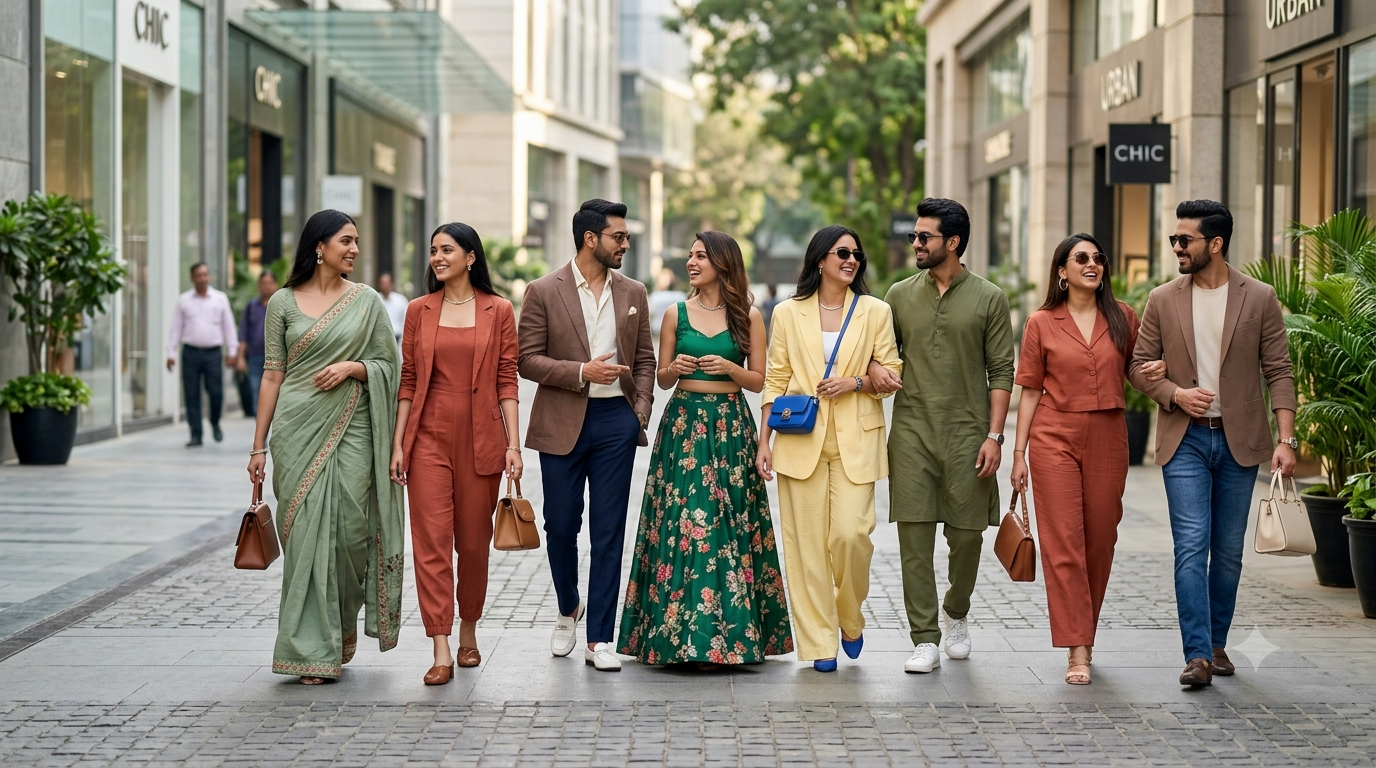
Fashion in India is evolving faster than ever before. In 2026, style is no longer defined only by what’s showcased on international runways or worn by celebrities. It is being shaped by technology, sustainability, cultural heritage, social media, and a growing preference for clothing that balances comfort, individuality, and functionality. Consumers today want outfits that not only look good but also reflect their personalities and values.
The Indian fashion industry has embraced this transformation with open arms. From handcrafted textiles and timeless ethnic wear to AI-powered styling tools and modern capsule wardrobes, fashion in 2026 is all about making thoughtful choices without compromising on style. Whether you’re updating your everyday wardrobe, preparing for wedding season, or simply looking to stay ahead of the latest fashion trends in India, understanding what’s in and what’s fading away can help you dress with confidence throughout the year.
This guide explores the top fashion trends in India for 2026, the colours, fabrics, accessories, and styling ideas dominating wardrobes, and practical tips to help you create fashionable looks that remain timeless.
Why 2026 Is a Defining Year for Indian Fashion
The Indian fashion landscape is becoming more diverse than ever before. Consumers are no longer blindly following trends. Instead, they are mixing premium pieces with affordable fashion, investing in quality basics, embracing sustainable brands, and experimenting with technology-driven shopping experiences.
Fashion designers are drawing inspiration from India’s rich textile heritage while incorporating modern silhouettes that suit today’s lifestyle. At the same time, artificial intelligence is helping shoppers discover personalized outfit recommendations, virtual try-ons, and smarter shopping experiences.
The result is a fashion industry where tradition and innovation coexist beautifully.
1. Quiet Luxury Is Replacing Loud Fashion
One of the biggest fashion trends in India for 2026 is the rise of quiet luxury. Instead of oversized logos and flashy branding, people are investing in timeless clothing made from high-quality fabrics with elegant tailoring.
Neutral colours like ivory, beige, camel, olive, charcoal, navy, and soft brown dominate this aesthetic. Linen shirts, structured blazers, relaxed trousers, silk blouses, premium cotton dresses, and leather accessories are becoming wardrobe staples.
Quiet luxury focuses on craftsmanship rather than labels. Consumers are increasingly choosing garments that look sophisticated and last for years rather than chasing short-lived micro trends.
This trend works equally well for office wear, business meetings, travel, and everyday dressing.
2. Sustainable Fashion Is Becoming the New Normal
Sustainability has moved beyond being a niche concept. In 2026, it has become one of the strongest forces shaping fashion in India.
Consumers are paying closer attention to where their clothes come from, how they are produced, and whether brands follow ethical manufacturing practices. Organic cotton, bamboo fabric, hemp, handwoven textiles, recycled fibres, and naturally dyed fabrics are seeing widespread demand.
Many Indian designers are working directly with local artisans to preserve traditional weaving techniques while reducing environmental impact.
Instead of buying large quantities of inexpensive clothing, shoppers are investing in fewer but better-quality garments that can be worn repeatedly in different ways.
This shift supports both the environment and India’s centuries-old textile traditions.
3. Capsule Wardrobes Are Changing the Way Indians Dress
Minimalism is becoming increasingly popular among professionals, students, and frequent travellers.
Rather than owning dozens of rarely worn outfits, people are building capsule wardrobes consisting of versatile clothing that mixes and matches effortlessly.
A typical capsule wardrobe in 2026 includes well-fitted jeans, tailored trousers, classic white shirts, linen shirts, neutral T-shirts, lightweight jackets, elegant dresses, comfortable sneakers, loafers, and timeless handbags.
The idea is simple.
Every piece should work with multiple outfits, making dressing easier while reducing unnecessary shopping.
Capsule wardrobes also encourage mindful consumption, making them an ideal companion to sustainable fashion.
4. Indian Heritage Crafts Are Making a Powerful Comeback
Traditional Indian craftsmanship continues to inspire contemporary fashion.
Designers are reinventing age-old textiles by combining them with modern silhouettes suitable for everyday wear.
Handwoven cotton sarees, Chikankari kurtas, Bandhani dresses, Ajrakh prints, Ikat jackets, Banarasi details, Kalamkari patterns, Gota Patti embroidery, and hand-block prints are becoming increasingly popular among younger generations.
Instead of reserving ethnic wear only for festivals, people are incorporating handcrafted pieces into daily wardrobes.
This fusion of heritage and contemporary styling reflects India’s growing appreciation for authentic craftsmanship.
5. AI Is Revolutionizing Fashion Shopping
Artificial Intelligence has become one of the biggest innovations influencing fashion in 2026.
Online retailers now use AI to recommend outfits based on previous purchases, preferred colours, body type, and shopping habits.
Virtual fitting rooms allow customers to see how garments may look before placing an order.
AI also helps brands forecast future trends, reduce excess inventory, improve manufacturing efficiency, and personalize marketing campaigns.
Consumers benefit from smarter recommendations, while brands create more accurate collections that align with changing preferences.
Technology is making fashion shopping faster, easier, and far more personalized than ever before.
6. Comfort-First Fashion Continues to Dominate
Comfort remains one of the biggest priorities for Indian consumers.
Relaxed silhouettes, breathable fabrics, oversized shirts, coordinated co-ord sets, wide-leg trousers, cotton dresses, oversized blazers, knitted tops, and lightweight outerwear are becoming wardrobe essentials.
People no longer want clothing that restricts movement.
Instead, they prefer stylish outfits that transition effortlessly between work, travel, shopping, and casual outings.
Fashion in 2026 proves that comfort and elegance can easily exist together.
7. Statement Accessories Are Taking Centre Stage
Accessories are becoming more expressive while remaining functional.
Oversized sunglasses, sculptural handbags, chunky jewellery, metallic belts, silk scarves, stacked bracelets, minimalist watches, and premium leather footwear are completing modern outfits.
Instead of overwhelming an entire look, accessories are being used strategically to add personality.
Even simple clothing can appear luxurious when paired with thoughtfully selected accessories.
8. Colour Trends Are Becoming Softer Yet More Expressive
The colour palette for 2026 balances timeless neutrals with vibrant statement shades.
Classic colours like ivory, cream, beige, mocha, olive green, charcoal grey, chocolate brown, black, and navy remain wardrobe favourites because they work across seasons.
Alongside these classics, fashion designers are introducing refreshing shades including butter yellow, sage green, dusty lavender, coral peach, terracotta, emerald green, cobalt blue, cherry red, and deep burgundy.
These colours appear across western wear, ethnic collections, accessories, footwear, and occasion wear.
Colour blocking also returns in a more refined form, pairing earthy tones with brighter accent colours.
9. Modern Ethnic Wear Is Becoming More Versatile
Ethnic fashion is no longer reserved only for weddings and festivals. One of the most exciting fashion trends in India for 2026 is the rise of modern ethnic wear that blends traditional craftsmanship with contemporary silhouettes. Designers are creating outfits that can easily transition from festive celebrations to office events, family gatherings, and destination weddings.
Lightweight sarees, pre-draped sarees, cape-style lehengas, Indo-Western co-ord sets, structured kurtas, fusion jackets, embroidered jumpsuits, and contemporary sharara sets are becoming increasingly popular among younger consumers. Instead of heavily embellished garments worn only once, shoppers are choosing versatile pieces that can be styled differently for multiple occasions.
Summer weddings are embracing breathable fabrics such as linen silk, organza, tissue silk, cotton silk, and georgette. Delicate hand embroidery, floral motifs, mirror work, chikankari, gota patti, bandhani, and hand-painted details continue to dominate bridal and festive collections. Statement dupattas and intricately designed blouses are also becoming standout elements, allowing people to refresh existing outfits without purchasing an entirely new wardrobe.
The emphasis is shifting from excess to elegance, where timeless craftsmanship takes precedence over fleeting trends.
10. Personal Style Is Becoming More Important Than Following Trends
Perhaps the biggest fashion trend of 2026 is the move away from blindly following trends altogether. Social media has exposed consumers to countless styles from around the world, encouraging them to experiment and build wardrobes that reflect their own personalities.
Instead of dressing exactly like celebrities or influencers, people are mixing luxury fashion with affordable finds, vintage clothing with modern basics, and traditional Indian textiles with western silhouettes. Fashion is becoming less about fitting into one category and more about expressing individuality.
This growing focus on personal style is also encouraging smarter purchasing decisions. Consumers are asking themselves whether a garment truly fits their lifestyle before buying it, leading to more thoughtful wardrobes that remain fashionable for years.
Fashion Trends for Women in India in 2026
Women’s fashion in 2026 celebrates versatility. Oversized shirts paired with tailored trousers, monochrome co-ord sets, linen dresses, relaxed blazers, structured waistcoats, satin skirts, cargo trousers, wide-leg jeans, and elegant jumpsuits are becoming everyday essentials.
The popularity of capsule wardrobes means women are investing in clothing that can easily transition between work, brunch, travel, and evening outings. Layering is also becoming more sophisticated, with lightweight jackets, oversized blazers, long shrugs, and sleeveless vests adding dimension to simple outfits.
Accessories remain understated yet impactful. Structured handbags, minimalist jewellery, silk scarves, and sleek loafers perfectly complement the quiet luxury aesthetic dominating women’s fashion.
Men’s Fashion Trends in India for 2026
Men’s fashion is undergoing one of its biggest transformations in recent years. Traditional slim-fit clothing is gradually making way for relaxed tailoring, oversized shirts, pleated trousers, textured knitwear, and premium basics.
Neutral colours continue to dominate, while earthy shades like olive green, mocha brown, rust, and stone grey are becoming wardrobe favourites. Linen shirts, Cuban collars, utility jackets, lightweight bomber jackets, and premium polo shirts provide effortless sophistication without appearing overly formal.
Indian menswear is also embracing handcrafted textiles. Linen kurtas, handwoven jackets, Nehru jackets with modern cuts, and embroidered bandhgalas are becoming popular choices for weddings, festivals, and celebrations.
Comfort, quality, and versatility remain the defining characteristics of men’s fashion in 2026.
Gen Z Continues to Shape Fashion Culture
Generation Z has become one of the biggest influences on fashion trends across India. Their purchasing decisions are driven by authenticity, creativity, sustainability, and individuality rather than traditional luxury branding.
Oversized silhouettes, vintage-inspired denim, graphic T-shirts, statement sneakers, cargo pants, crochet pieces, varsity jackets, sporty aesthetics, and gender-neutral clothing continue to dominate younger wardrobes.
Social media platforms, content creators, fashion influencers, and digital creators play a significant role in introducing emerging styles. However, unlike previous generations, Gen Z quickly adapts trends to create unique personal looks rather than simply copying them.
This has made Indian fashion more diverse and experimental than ever before.
The Rise of Smart Fashion Shopping
Shopping habits are evolving rapidly alongside technology. Artificial intelligence is helping consumers discover clothing that suits their preferences while reducing the time spent browsing endless product listings.
Virtual try-on technology allows shoppers to visualize garments before purchasing. Personalized styling recommendations suggest complete outfits based on body type, previous purchases, preferred colours, and seasonal trends.
Fashion retailers are also using predictive analytics to better understand consumer demand, helping reduce waste while ensuring popular products remain available.
As technology continues to improve, online shopping is becoming increasingly personalized and efficient.
Affordable Fashion Is Winning Over Consumers
Fashion in 2026 is not defined by expensive designer labels alone. Indian shoppers are becoming more conscious of value, durability, and versatility when making purchasing decisions.
Affordable brands are focusing on improved fabric quality, better tailoring, and trend-driven collections that remain accessible to a wider audience. Rather than chasing luxury logos, consumers are mixing premium investment pieces with budget-friendly basics to create polished outfits.
This balanced approach allows people to stay fashionable without overspending.
Footwear Trends to Watch in 2026
Footwear is becoming an essential part of personal style. Comfortable sneakers remain wardrobe staples, while loafers, ballet flats, platform sandals, block heels, slingbacks, and handcrafted leather footwear continue gaining popularity.
Traditional footwear is also receiving modern updates. Embroidered juttis, kolhapuris, handcrafted sandals, and embellished flats pair beautifully with both ethnic and western outfits.
Consumers are increasingly prioritizing comfort without sacrificing aesthetics, making versatile footwear one of the smartest fashion investments.
Bags and Accessories Are Becoming Investment Pieces
Rather than owning dozens of handbags, consumers are choosing a few well-made pieces that work across multiple occasions.
Structured tote bags, crossbody bags, mini shoulder bags, woven handbags, metallic evening clutches, and premium leather accessories remain highly sought after.
Jewellery trends favour layered necklaces, sculptural earrings, chunky cuffs, pearls, textured metals, and handcrafted pieces inspired by traditional Indian artistry.
Minimalist watches and silk scarves continue to complement quiet luxury wardrobes while adding timeless sophistication.
Fabrics Dominating Fashion in 2026
Fabric selection has become just as important as design. Consumers are paying closer attention to breathability, durability, and sustainability before making purchases.
Linen continues its remarkable rise due to its comfort during Indian summers. Organic cotton remains a favourite for everyday clothing, while silk blends, satin, bamboo fabric, hemp, recycled polyester, modal, muslin, and handwoven cotton are increasingly popular across both premium and affordable fashion collections.
Natural textures are replacing overly synthetic finishes, giving garments a more refined and luxurious appearance.
Fashion Mistakes to Avoid in 2026
Keeping up with fashion trends doesn’t mean buying every new collection that appears online. One of the biggest mistakes people make is filling their wardrobes with impulse purchases that are worn only once. In 2026, fashion is moving away from excess and towards intentional dressing, making quality and versatility more valuable than quantity.
Ignoring fit is another common mistake. Even the most expensive outfit can look unflattering if it doesn’t fit well. Well-tailored clothing instantly creates a polished appearance, regardless of the brand or price tag.
Many people also overlook the importance of fabric. Breathable materials such as linen, cotton, silk blends, and handwoven textiles not only look more premium but also provide greater comfort in India’s diverse climate.
Over-accessorising can overwhelm an outfit. Instead of wearing multiple statement pieces together, choose one standout accessory and let it complement your overall look. A structured handbag, elegant watch, or bold earrings are often enough to elevate even the simplest outfit.
Finally, avoid chasing every viral social media trend. Fashion trends change quickly, but personal style lasts much longer. Build a wardrobe that reflects your personality instead of copying every look that appears on your feed.
How to Build a Fashionable Wardrobe That Lasts
Creating a stylish wardrobe in 2026 is less about owning more clothes and more about making smarter choices. Start by investing in timeless essentials that never go out of style. A crisp white shirt, tailored blazer, well-fitted denim, neutral trousers, classic sneakers, comfortable loafers, a versatile dress, and quality ethnic wear form the foundation of a wardrobe that works throughout the year.
Once the basics are in place, introduce seasonal trends gradually. Adding a trending colour, modern handbag, statement footwear, or fashionable jacket each season keeps your wardrobe fresh without requiring a complete overhaul.
Mixing western and Indian fashion is another growing trend. Pairing an embroidered jacket with denim, styling a silk dupatta with a monochrome outfit, or wearing handcrafted jewellery with contemporary dresses creates distinctive looks that celebrate India’s rich fashion heritage.
Building a capsule wardrobe also helps reduce unnecessary purchases while making everyday styling easier. Every item should complement several others, allowing you to create numerous outfits from a relatively small collection of clothing.
Fashion Tips for Every Occasion
The best-dressed people in 2026 are not those with the biggest wardrobes but those who understand how to dress appropriately for different occasions.
For office wear, structured blazers, linen shirts, tailored trousers, midi dresses, loafers, and understated accessories create a professional yet modern appearance.
Weekend outings call for relaxed silhouettes such as oversized shirts, straight-fit jeans, co-ord sets, sneakers, and crossbody bags that balance comfort with effortless style.
During festive celebrations, handcrafted sarees, elegant kurta sets, Indo-western ensembles, statement dupattas, and traditional jewellery remain timeless choices. Lightweight fabrics and refined embroidery are replacing heavily embellished garments, offering comfort without sacrificing elegance.
Wedding fashion in 2026 focuses on versatility. Brides, bridesmaids, and guests are increasingly choosing outfits that can be restyled for future events, making investment pieces more practical and sustainable.
The Future of Fashion in India
India’s fashion industry is entering an exciting new era where technology, sustainability, and craftsmanship are equally important. Artificial intelligence is transforming how consumers discover clothing, while local artisans continue to preserve centuries-old textile traditions through modern design.
Digital styling assistants, virtual fitting rooms, smart inventory management, and AI-powered trend forecasting will become increasingly common over the next few years. At the same time, consumers are expected to demand greater transparency from fashion brands regarding sourcing, ethical manufacturing, and environmental responsibility.
The popularity of capsule wardrobes, circular fashion, clothing rental platforms, resale marketplaces, and upcycled fashion also indicates that conscious consumption is becoming a permanent part of the industry rather than a passing trend.
Indian designers are uniquely positioned to lead this evolution by combining world-class craftsmanship with innovative design and sustainable production practices. As global interest in handwoven textiles, artisan embroidery, and heritage craftsmanship continues to grow, Indian fashion is gaining greater international recognition.
Final Thoughts
Fashion in India for 2026 is about much more than following the latest runway collections. It represents a shift towards smarter shopping, thoughtful styling, and clothing that reflects individuality while embracing innovation and tradition.
Quiet luxury encourages investing in timeless pieces rather than temporary trends. Sustainable fashion highlights the importance of ethical production and environmentally responsible choices. Capsule wardrobes simplify daily dressing while reducing waste. Artificial intelligence is reshaping how people shop, discover trends, and personalise their wardrobes. Meanwhile, handcrafted Indian textiles, modern ethnic wear, and versatile occasion dressing continue to celebrate the country’s rich cultural heritage.
The most stylish wardrobes this year are not necessarily the most expensive. They are carefully curated collections built around quality, versatility, comfort, and confidence. By combining timeless essentials with selected seasonal trends, embracing sustainable practices, and expressing your unique personality through fashion, you can create looks that remain relevant long after individual trends have faded.
Whether you’re refreshing your wardrobe, preparing for a new season, planning festive outfits, or simply looking for inspiration, these top fashion trends in India for 2026 provide a roadmap for dressing with confidence, elegance, and purpose. Fashion will continue to evolve, but authenticity, craftsmanship, and personal style will always remain the most enduring trends of all.

NCR DELHI TEAM